Leave a Message

Thank you for your message. I will be in touch with you shortly.

Living in Uptown Central San Antonio: Everyday Life

February 5, 2026

Thinking about a home in Uptown Central but not sure what day-to-day life actually feels like? You’re not alone. This part of North Central San Antonio blends established neighborhoods, retail hubs, and easy access to major roads, which can make it a versatile choice. In this guide, you’ll learn how the area is laid out, what types of homes you’ll find, how you might spend your weekends, and practical pros and cons to weigh. Let’s dive in.

Where Uptown Central is

For this guide, Uptown Central refers to the North Central area of San Antonio inside and around Loop 410 near the US 281 corridor. It includes residential pockets near San Antonio International Airport, North Star Mall, and the Broadway corridor toward Alamo Heights, with quick access to interstates and key job centers.

In relation to the city, you are north of downtown with a straightforward drive to core employment zones, healthcare campuses, and major retail. This central vantage point is a big part of the area’s appeal.

Housing options at a glance

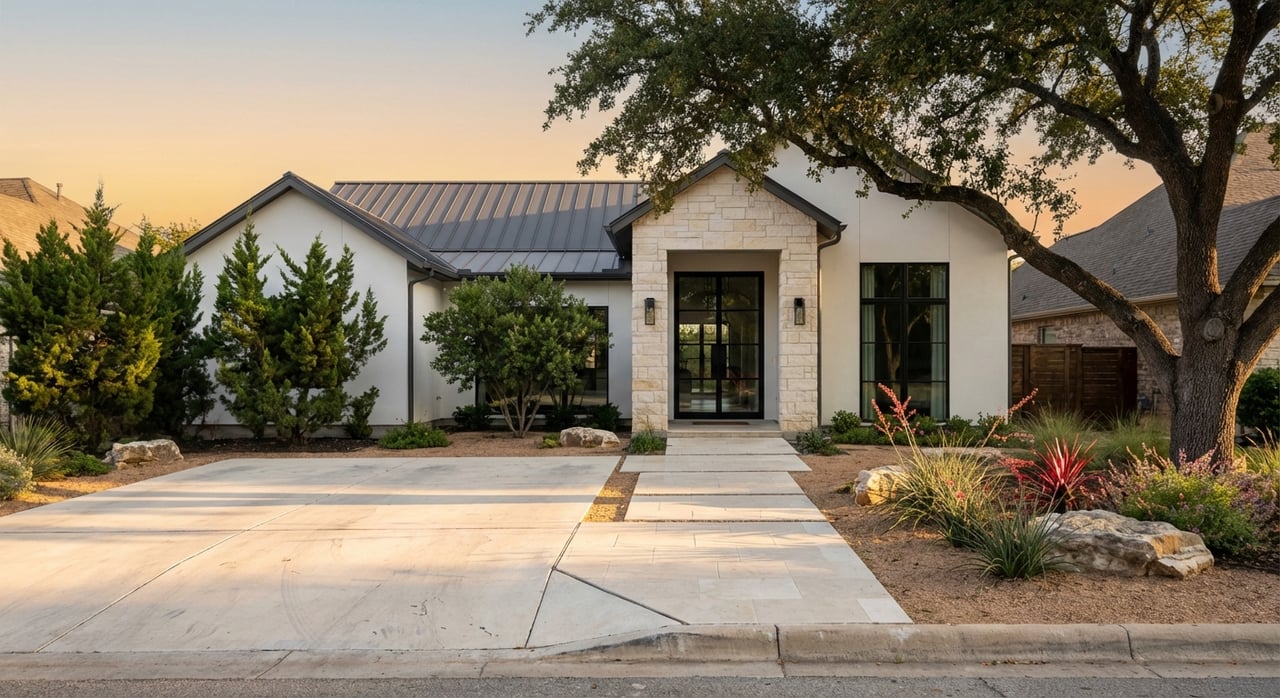
Homes in Uptown Central reflect the neighborhood’s long history and ongoing reinvestment. You’ll see a mix of:

  • Single-family homes: midcentury ranches, 1960s-1980s houses, and renovated properties on established streets with mature trees.
  • Infill and small-lot options: townhomes, duplexes, and newer construction sprinkled into older blocks.
  • Condos and apartments: low- to mid-rise buildings and communities near retail and transit corridors.
  • Possible gated or HOA communities: rules, fees, and amenities vary by property.

Conditions and finishes can range widely. Many buyers here weigh yard size and parking against low-maintenance living. If you prefer updated interiors but love older neighborhood character, you can often find renovated homes or condos that blend both.

Who this area fits

Uptown Central tends to work well if you want proximity and options rather than a one-note suburban setting. Common buyer needs include:

  • Young professionals seeking shorter car commutes and access to dining and retail.
  • Downsizers prioritizing convenience, elevators, and lower maintenance.
  • Households looking for single-family homes with established trees and nearby parks.
  • Investors evaluating rental-friendly buildings and employment-driven demand.

If you value variety in housing types and quick access to everyday services, this area deserves a look.

Daily life and amenities

Everyday errands are straightforward. You’ll find grocery stores, pharmacies, banks, gyms, and service businesses along major corridors like San Pedro, Blanco, and Broadway. Larger retail destinations such as North Star Mall and the Quarry-area shops are nearby, giving you both national brands and local eateries.

Dining runs the spectrum from coffee shops and casual lunch spots to sit-down restaurants and happy hour patios. On weekends, it’s easy to pair errands with a park visit or a bite out without driving far.

Parks and outdoors

Uptown Central gives you access to a network of green spaces:

  • McAllister Park: a large, wooded park with trails, fields, and pavilions.
  • Olmos Basin Park: broad open spaces and connections toward the Olmos floodplain area.
  • Salado Creek Greenway: part of the city’s linear trail system suitable for walking and biking.

These parks help balance the busier retail corridors with quiet, shaded escapes. If outdoor time is essential, you’ll appreciate how quickly you can get to a trail or playground.

Commute and transportation

Most residents rely on cars. Major roads like Loop 410, US 281, and I-10 make regional travel simple, though peak-hour traffic can slow on key stretches. If you commute to downtown, the Medical Center, or airport-adjacent employers, you benefit from central positioning.

VIA Metropolitan Transit serves the area with bus routes along primary corridors and at key hubs. Service levels and frequency vary by line and time of day. Side-street cycling is common, and segments of the Salado Creek Greenway provide off-street riding, but dedicated on-street bike lanes are not continuous. Check a specific route from your future address to confirm what feels comfortable.

Parking norms vary. Older single-family streets often allow curb parking, while condos and apartment communities typically assign spaces or offer garages. Always review community rules and visitor policies before you buy or lease.

Schools and childcare

Addresses in Uptown Central commonly map to North East ISD, with nearby private and charter options in the larger North Central area. Because attendance zones can shift, verify the assigned elementary, middle, and high schools for any specific property using official district boundary tools. If you need daycare or after-school programs, you’ll find a range of providers along major corridors and near community centers.

Use neutral, factual criteria to compare options: location, programs offered, transportation, and schedule fit. Always confirm current offerings and enrollment policies directly with the school or provider.

Safety and services

Safety perceptions can vary block by block. Review recent activity using San Antonio Police Department crime mapping and compare trends to the citywide context. Local neighborhood associations and community groups can also share information about neighborhood watch efforts and events.

For civic amenities, look for nearby libraries, recreation centers, and parks programming through the City of San Antonio. These resources can shape daily rhythms, from youth sports and fitness classes to weekend community events.

Property taxes, utilities, and rules

  • Property taxes: Tax bills combine city, county, school district, and special district rates that vary by address. For planning purposes, review the current effective tax rate and estimated bill for a specific property through the Bexar County Appraisal District or the county tax office.
  • Utilities: Most addresses in North Central San Antonio are served by CPS Energy for electricity and SAWS for water and wastewater. Trash and recycling are typically provided by the City of San Antonio. Confirm providers and monthly costs per address.
  • Flood and zoning: Check FEMA and City of San Antonio floodplain maps, especially near creeks and greenways. Zoning and any recent rezonings can influence future development and what you can do with a property. If you are considering renovations or additions, review city permitting requirements in advance.

Pros and cons

Pros

  • Central location for shorter car commutes to multiple job centers.
  • A mix of single-family homes, condos, and townhomes across budgets.
  • Established streets with mature trees near parks and greenways.
  • Strong retail and dining access for daily convenience.

Cons

  • Peak-hour traffic on major corridors like Loop 410 and US 281.
  • Public transit coverage varies by block and schedule.
  • HOA rules and fees in some condo or townhome communities.
  • Property tax totals vary by address and district composition.

A day in Uptown Central

  • Young professional: Morning coffee near the office corridor, a quick drive or bus to work, lunch at a nearby spot, then a sunset jog on the Salado Creek Greenway before meeting friends for dinner.
  • Household with school commute: School drop-off on local streets, a short commute toward downtown or the Medical Center, afternoon practice at a nearby park, and a family dinner at a neighborhood favorite.
  • Downsizer: Late-morning grocery run, mid-day fitness class at a community gym, quiet reading at home, and an easy evening out without crossing the entire city.

These routines reflect how central access and everyday convenience can reduce time in the car and increase time doing what you enjoy.

What to check before you buy

  • Confirm the neighborhood boundaries and how the home’s location fits your daily routes.
  • Review recent comparable sales and HOA rules for the specific property type.
  • Verify school zoning and transportation options for your address.
  • Check SAPD crime data for recent trends near the block you are considering.
  • Pull FEMA and City floodplain layers, especially near creeks and low areas.
  • Confirm utility providers, average bills, and any special assessments or fees.
  • Test-drive your commute during your typical travel times.

Ready to explore homes that fit your lifestyle and budget in Uptown Central? Get local guidance and a clear plan with Adele Huerta. Schedule a free consultation to map your next steps with confidence.

FAQs

What and where is Uptown Central in San Antonio?

  • It is a North Central area around Loop 410 and the US 281 corridor near the airport, North Star Mall, and the Broadway corridor toward Alamo Heights.

What kinds of homes will I find in Uptown Central?

  • You’ll see single-family houses from midcentury eras, renovated homes, townhomes and duplexes, plus low- to mid-rise condos and apartments.

Is Uptown Central walkable for daily errands?

  • Many errands are a short drive, with sidewalks and some transit along main corridors, but overall walkability varies by block and property.

How is the commute from Uptown Central to major job centers?

  • You have quick access to Loop 410, US 281, and I-10, which shortens many car commutes, though peak-hour traffic can slow key segments.

Which school district serves Uptown Central addresses?

  • Many addresses are in North East ISD, though boundaries vary, so verify the assigned schools for any specific property before you buy or lease.

Are there parks and trails near Uptown Central homes?

  • Yes. McAllister Park, Olmos Basin Park, and the Salado Creek Greenway offer trails, open space, and recreation within a short drive.

How can I check safety on a specific block in Uptown Central?

  • Review San Antonio Police Department crime maps for recent activity and compare trends with the citywide context for additional perspective.

Elevating Every Move

Focused on both results and relationships, she brings a thoughtful, client-first approach to every step of the real estate journey. With a commitment to clear communication, personalized strategies, and unwavering dedication, she delivers an experience that not only meets expectations but exceeds them.