Is Uptown Central calling your name, but you are not sure what $500,000 really buys there? You want convenience, a short commute, and a neighborhood that fits your routine without sacrificing comfort. In this guide, you will see what a $500K budget can get you in Uptown Central, the trade-offs to expect, and the costs that shape your monthly payment. Let’s dive in.
Uptown Central at a glance
Uptown Central blends urban energy with neighborhood comfort. You are close to cultural anchors like parks, museums, restaurants, and major employment centers. Short drives and, in some pockets, walkable blocks are part of the draw.
Inventory often includes older single-family homes on modest lots, newer infill townhomes, and boutique or mid-rise condos. Larger-lot suburban homes are less common inside the core, which is why buyers who prioritize location and convenience choose condos and townhomes more often.
Property taxes in Bexar County are based on multiple jurisdictions. Effective combined rates commonly land around 1.8% to 2.5% of assessed value for many urban parcels. On a $500,000 property, that can translate to roughly $9,000 to $12,500 per year, or about $750 to just over $1,040 per month before exemptions. HOA dues and insurance also factor into your total monthly carry.
What $500K typically buys
You have strong options at this price point. The best fit depends on how you balance space, maintenance, privacy, and location.
Condos: low maintenance, prime access
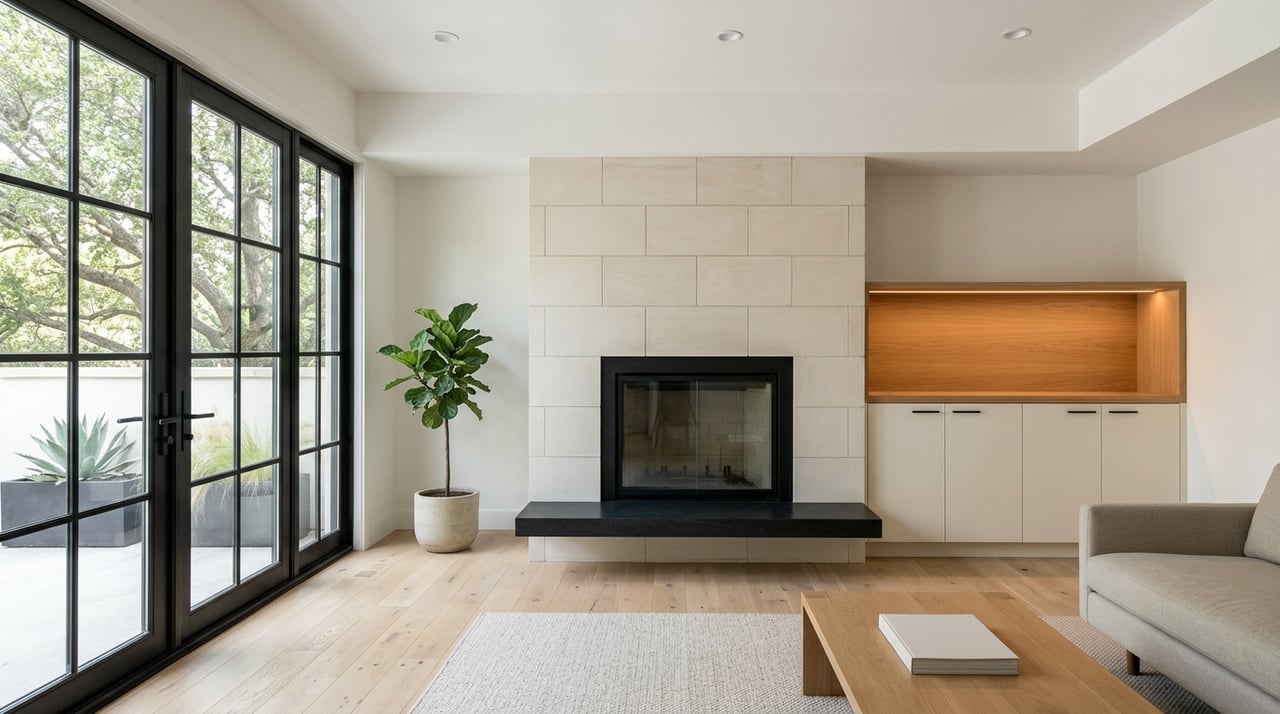
At $500,000, you will commonly find a larger two-bedroom, two-bath condo, often 1,000 to 1,700 square feet. Many have secure entry, assigned or deeded parking, and a balcony or patio. Some buildings offer concierge features, a shared rooftop or courtyard, and limited fitness or meeting spaces.
- Typical size and layout: 2 bed, 2 bath; some three-bed options in boutique buildings.
- Finish level: updated kitchens and baths in newer or recently renovated units.
- Monthly HOA: often $200 to $800, higher in full-service buildings.
- Trade-offs: lock-and-leave ease and walkability, with limited private outdoor space and HOA rules. Older buildings can carry special assessment risk.
- Best for: single professionals or couples who want convenience, security, and minimal maintenance.
Townhomes: space, style, and a garage
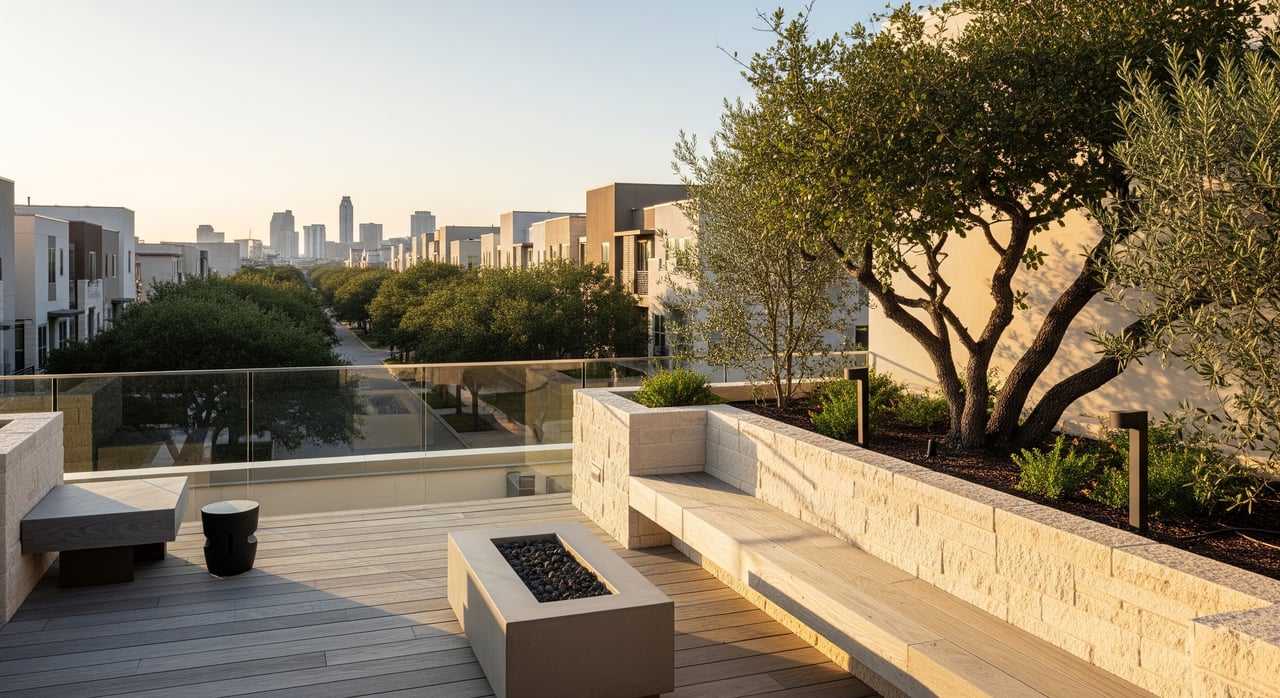
A $500K townhome in Uptown Central often gives you 1,400 to 2,200+ square feet, two to four bedrooms, and 2.5 to 3.5 baths. Many are multi-level with an attached one- or two-car garage. You may see private rooftop terraces or small fenced yards, open kitchens, and modern finishes.
- Typical size and layout: vertical living with flexible space for a home office.
- Outdoor areas: small yard or rooftop, great for relaxing without major yard work.
- Monthly HOA: commonly $100 to $350 for exterior maintenance and shared areas.
- Trade-offs: more square footage and privacy than many condos, but more stairs, closer neighbors, and smaller footprints.
- Best for: remote or hybrid workers and anyone who wants more space without full single-family upkeep.
Single-family homes: detached living in the core
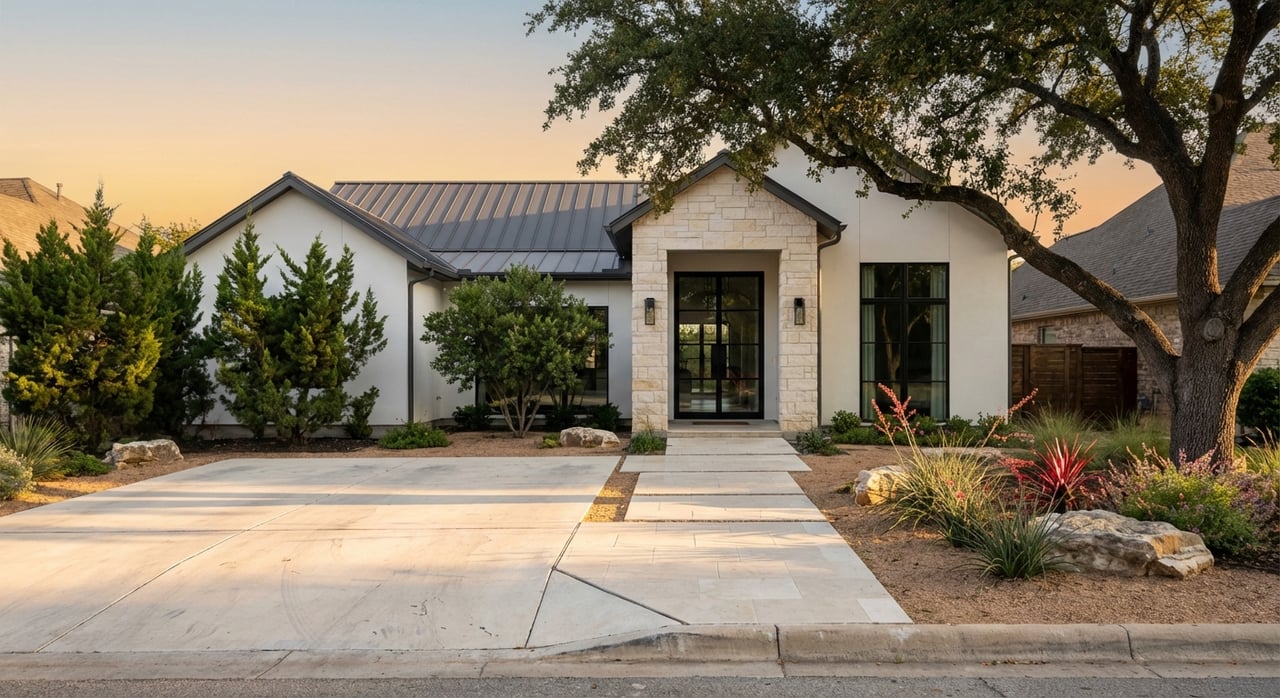
A $500,000 budget can secure a smaller single-family home or an older bungalow, often 1,200 to 1,800 square feet, on a modest lot. Many homes are mid-20th century, sometimes fully renovated, sometimes ready for your updates. Parking varies by property, and yards are usually smaller than suburban lots.
- Typical layout: 2 to 3 bedrooms and 1 to 2.5 baths.
- Condition: renovated or partially updated; buyers should check major systems and mechanicals.
- HOA: often none, or a modest neighborhood association.
- Trade-offs: more privacy and outdoor space, with higher maintenance and potential for older systems.
- Best for: buyers who value detached living, outdoor space, and long-term ownership potential.
Lifestyle trade-offs to consider
- Walkability vs space: The most walkable blocks often have smaller private outdoor areas and closer neighbors. Quieter streets with more green space can be limited and pricier.
- Parking: Assigned or deeded parking adds value, especially in condo buildings. Street parking can be limited near busy corridors.
- Noise and privacy: Urban convenience can bring nightlife noise, deliveries, and foot traffic. Consider building construction and unit placement.
- Commute and transit: Uptown Central offers quick drives to downtown employers and medical hubs. VIA routes serve main corridors, with moderate frequency compared to larger cities.
What your monthly payment may include
Your monthly carry is more than principal and interest. Plan for taxes, HOA dues, and insurance.
- Property taxes: At 1.8% to 2.5% effective rates, a $500,000 property can add about $750 to $1,040+ per month before exemptions.
- HOA dues: Condos often run $200 to $800 monthly, townhomes commonly $100 to $350. Fees vary by amenities and coverage.
- Insurance: Costs depend on building type and age. Condo owners should understand the master policy and what their walls-in policy must cover. Older buildings and replacement-cost exposure can affect premiums.
- Parking and storage: Some buildings charge for extra parking or storage, which can change your monthly number.
Pro tip: Build your budget around the full monthly picture. It helps you compare a condo with higher HOA dues to a townhome or single-family home with more individual maintenance.
Parking, HOAs, and building age
These three items drive value and ongoing costs in Uptown Central.
- Parking: Deeded or assigned spaces are a premium. Ask how many spaces convey, where they are located, and any guest parking rules.
- HOA rules: Review pet policies, rental restrictions, and modification rules. If you might rent later, verify any caps or short-term rental restrictions.
- Building age and reserves: Older buildings can offer generous floor plans, but maintenance and special assessments are real risks. Ask for reserve studies and recent capital improvements.
Which option fits your lifestyle
Use your daily routine to choose your best fit.
- Lock-and-leave convenience: Choose a condo if you want minimal upkeep, quick access to restaurants and parks, and secure entry. Prioritize buildings with strong reserves and clear parking.
- Space plus proximity: Choose a townhome if you need a home office, a garage, and a little outdoor space while staying close to the action.
- Detached living: Choose a smaller single-family home if private outdoor space and long-term ownership matter most, and you are comfortable managing repairs and updates.
Smart due diligence checklist
Before you write an offer, get clarity on these items.
- How many parking spaces are included, and are they deeded or assigned?
- What is the current HOA fee and what does it cover? Any pending or recent special assessments?
- Are there rental or short-term rental restrictions in the HOA or bylaws?
- What are the recent comparable sales for the building or block?
- What school district and taxing authorities apply, and what is the combined tax rate for this parcel?
- Has the building had major repairs in the last 10 years, such as roof, foundation, or parking structure? When was the last reserve study?
- Is the property in a floodplain or near stormwater areas? Check maps and seller disclosures, and confirm insurance needs.
Example matches at $500K
Here are realistic snapshots of what you might tour at this budget.
- Larger condo with perks: Around 1,300 to 1,600 square feet, two bedrooms and two baths, updated finishes, balcony, and assigned garage parking. The HOA could include exterior insurance, common area maintenance, and trash.
- Modern townhome: Roughly 1,600 to 2,100 square feet, three levels, two to three bedrooms, a small yard or rooftop terrace, and a one- or two-car garage. HOA dues often focus on exterior and common areas.
- Smaller detached home: Around 1,300 to 1,700 square feet on a modest lot, two to three bedrooms, updated kitchen and baths, and off-street parking if available. You trade a larger yard for the central location.
Financing and approval readiness
Condo financing can involve extra lender requirements. Owner-occupancy, HOA delinquencies, and any pending litigation matter to many lenders. If you plan to use FHA or VA financing, confirm the project is eligible before you fall in love with a unit.
For all property types, a strong pre-approval helps your offer stand out. If you are eyeing a condo or older home, give yourself time to review HOA documents, reserve studies, and inspection results before final acceptance.
How to compare your short list
When you have two or three favorites in different product types, use these filters to make a clear choice.
- Daily life: Which option cuts the most friction from your routine, from parking to grocery runs to pet needs?
- Sound and privacy: Consider unit placement, windows, and construction. Multi-level townhomes can offer separation between living and sleeping areas.
- Long-term plans: If you plan to keep the home for 5 to 7 years, look at building quality, parking certainty, and neighborhood plans that might affect resale.
- Total monthly cost: Add principal, interest, taxes, HOA dues, insurance, and any parking or storage fees.
The bottom line
At $500,000 in Uptown Central, your most likely matches are a larger two-bed condo with amenities and parking, a modern multi-level townhome with a garage and small outdoor space, or a smaller single-family bungalow that is updated or ready for your personal touch. You trade yard size and absolute privacy for location, convenience, and shorter commutes. Your best value comes from a clear view of HOA dues and rules, the combined property tax rate, the parking situation, building age and reserves, and any flood or insurance considerations.
If you want a clear, low-stress path to the right Uptown home, let’s talk. Connect with Adele Huerta to schedule a free consultation and start touring smart, well-matched options.
FAQs
What does $500K typically buy in Uptown Central?
- Expect a larger 2-bed/2-bath condo with amenities and parking, a 3-level townhome with a garage and small outdoor space, or a smaller single-family bungalow in a central location.
How much are Uptown Central condo HOA fees?
- Many condo buildings range from about $200 to $800 per month, with higher fees in full-service properties that include more amenities and broader insurance coverage.
What are typical property taxes on a $500K home in Bexar County?
- A common effective combined rate is roughly 1.8% to 2.5%, which equals about $9,000 to $12,500 annually, or roughly $750 to just over $1,040 monthly before exemptions.
Is parking usually included with Uptown condos and townhomes?
- Many condos include assigned or deeded spaces, and most townhomes have an attached garage; always confirm how many spaces convey and whether guest parking is available.
What due diligence should I do on an older Uptown home?
- Order thorough inspections of the roof, HVAC, plumbing, and structure, and review any history of drainage or flood issues noted in seller disclosures.
Are there special financing considerations for Uptown condos?
- Yes, some lenders require certain owner-occupancy levels, limits on HOA delinquencies, and no pending litigation; verify project eligibility early if you plan FHA or VA financing.