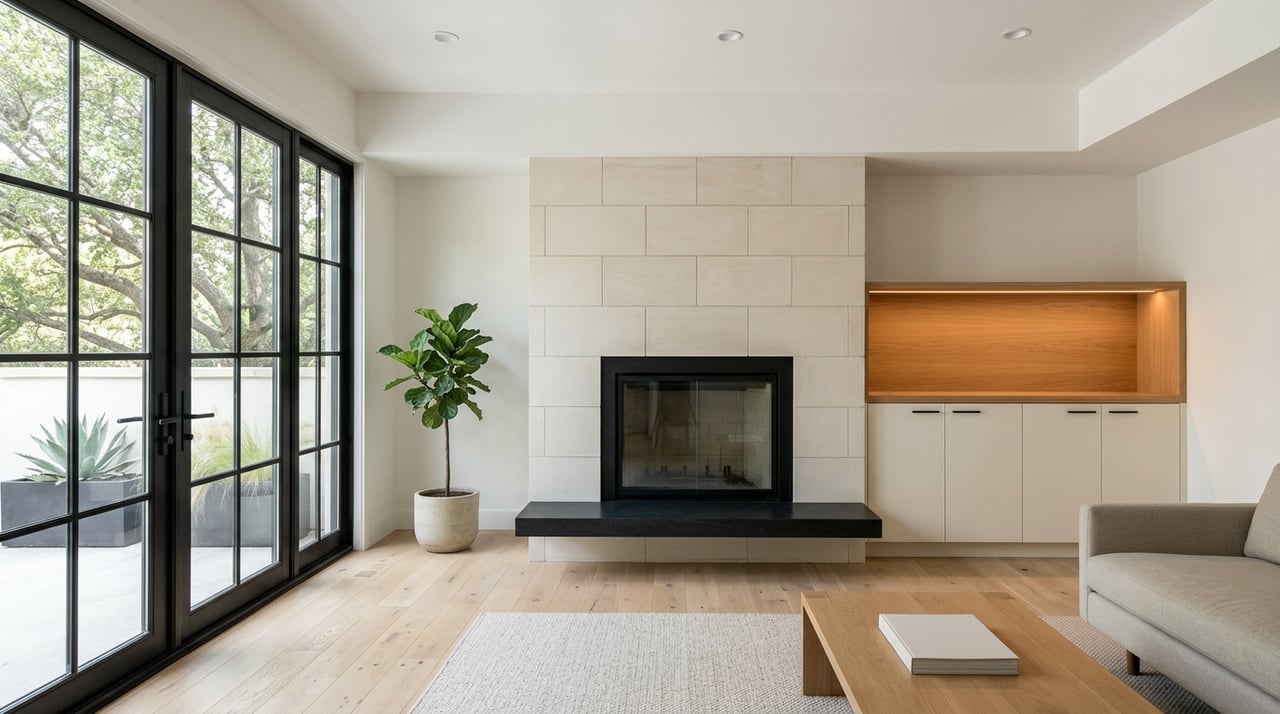
Condo, Townhome, Or House In Uptown Central?
March 5, 2026
March 5, 2026
Trying to choose between a condo, townhome, or single-family house in Uptown Central can feel like comparing apples to oranges. You want the right mix of location, space, parking, and monthly costs without surprises after closing. In this guide, you’ll see how each option stacks up on price, maintenance, insurance, taxes, parking, and even short-term rental rules so you can match your choice to your lifestyle and budget. Let’s dive in.
Uptown Central is a collection of central San Antonio neighborhoods just north and northeast of downtown. Think Monte Vista, Alta Vista, Olmos Park, Alamo Heights, and Tobin Hill, plus nearby pockets along the Broadway and Pearl corridors. It’s a diverse market area with historic homes and newer attached options.
If you picture more walkable streets near restaurants, parks, and the Pearl, you’re imagining the core corridors. Historic neighborhoods nearby often trade a bit of walkability for larger lots and classic architecture. For a quick overview, see the local area description in the city’s neighborhood guide for Uptown Central on the tourism site Visit San Antonio.
Prices shift month to month, but the ranges below reflect what buyers typically see in this part of San Antonio. Always confirm current comps before you write an offer.
You’ll find low to mid-rise buildings, plus some historic conversions closer to the Pearl and downtown. Prices can start in the low to mid $200Ks for smaller units and rise above $1M for luxury residences with premium finishes and views. In many cases, a $400K to $600K budget opens up larger floor plans and better amenities in this submarket. For a feel of how budget maps to options here, check this local perspective on what $500K can buy in Uptown Central.
Modern townhomes cluster near Tobin Hill and the Pearl. Many are multi-level with attached garages and contemporary finishes. Expect a wide spread, often from the mid $400Ks up through the $900Ks depending on size, finishes, and parking. HOA structures vary, so weigh the monthly dues and coverage against the benefit of a lock-and-leave lifestyle.
Detached homes range from renovated bungalows to large historic properties in Monte Vista, Alamo Heights, and surrounding pockets. Smaller bungalows can appear in the high $400Ks, while prime historic blocks and larger lots often push into $1M and beyond. Recent market snapshots placed Monte Vista’s median sale price around $719K as of January 2026, highlighting the premium many historic-core neighborhoods command. Always verify the latest neighborhood medians and active comps before you decide.
Understanding who fixes what saves you from expensive surprises.
Monthly dues in Uptown Central vary widely. Some small townhome communities may charge a few hundred dollars per year, while amenity-rich condo buildings often range from a few hundred dollars to $800 or more per month. The value depends on what the dues cover: exterior maintenance, insurance, amenities, utilities, and reserves.
Before you commit, request and review the full association packet. In Texas, buyers have a right to specific records and a resale certificate. Ask for CC&Rs and bylaws, the current budget, recent financials, any reserve study, the association’s insurance certificate, recent meeting minutes, and disclosure of special assessments or litigation. State requirements for property owners’ associations and resale documentation are outlined in Texas Property Code Chapter 209.
Total property tax bills in Bexar County vary by municipality and school district. Effective rates commonly land around 1.8 percent to 2.5 percent of assessed value. Use the components for the specific address to estimate the tax bill, then layer in exemptions if eligible. You can review the county’s current rates and components on the Bexar County tax page.
Lenders underwrite condos both at the unit level and the project level. Not every condo qualifies for FHA or VA financing. If you plan to use FHA or VA, verify the project’s eligibility at the start of your search. Learn more about how FHA views condo projects on the HUD Single-Family page. Your lender can also discuss options like single-unit approvals when available.
Attached homes in urban neighborhoods can move quickly when inventory is tight. They can also be more sensitive to HOA dynamics such as rising dues, special assessments, low reserves, or litigation. Detached homes in stable historic neighborhoods often draw a broader buyer pool, which can help with liquidity. Ask your agent for days-on-market and seller concession trends for direct comparables in your target pocket.
Assigned or deeded parking is a major value driver for condos in Uptown Central, especially near the Pearl and other busy corridors. If private garage parking is a must-have, you may prefer a townhome or a condo community that includes deeded spaces. For example scenarios by budget and feature mix, see this Uptown snapshot on what $500K can buy.
Living in Uptown Central places you close to downtown, the Pearl, and several employment centers. Some pockets rate as highly walkable, especially around Tobin Hill and the core corridors. Test your commute at peak times and visit the block on a few different days to get a feel for traffic and parking patterns.
Shared-wall living can introduce more building activity, like deliveries and trash service. On the flip side, many condos offer lock-and-leave convenience and on-site security features that make life easy if you travel. Balance your privacy needs against your appetite for low maintenance and urban energy.
If you plan to rent your property for short stays, San Antonio requires permits and separates owner-occupied rentals (Type 1) from non-owner-occupied rentals (Type 2). Type 2 density is capped on each blockface, and operators must provide parking documentation, hold liability insurance, and comply with safety and notice rules. Hotel Occupancy Tax applies, and many HOAs either restrict or prohibit short-term rentals. Review the city’s current program details and application process on the San Antonio STR page.
Focus on condos and townhomes near the Pearl, Broadway, and Tobin Hill. You’ll trade yard work for amenities, proximity to restaurants and parks, and manageable commutes. In this zone, plan for HOA dues and confirm what they cover.
Look to townhomes with attached garages. You’ll keep maintenance lighter than a large historic home while still getting private parking. Verify whether the townhome is fee-simple or part of a condo regime so you understand maintenance and insurance.
Explore single-family homes in historic-core neighborhoods like Monte Vista and Alamo Heights. Expect a premium for larger lots and character. Budget for full exterior maintenance and confirm any local design guidelines or HOA standards that may apply.
Use this list to compare specific properties before you write an offer:
Ready to narrow your search to the homes that make the most sense for your lifestyle and budget? Let’s align your must-haves, run the real numbers, and tour the right blocks at the right times so you can buy with confidence. Reach out to Adele Huerta to learn more or Schedule a free consultation.
Stay up to date on the latest real estate trends.
Focused on both results and relationships, she brings a thoughtful, client-first approach to every step of the real estate journey. With a commitment to clear communication, personalized strategies, and unwavering dedication, she delivers an experience that not only meets expectations but exceeds them.